Our expertise
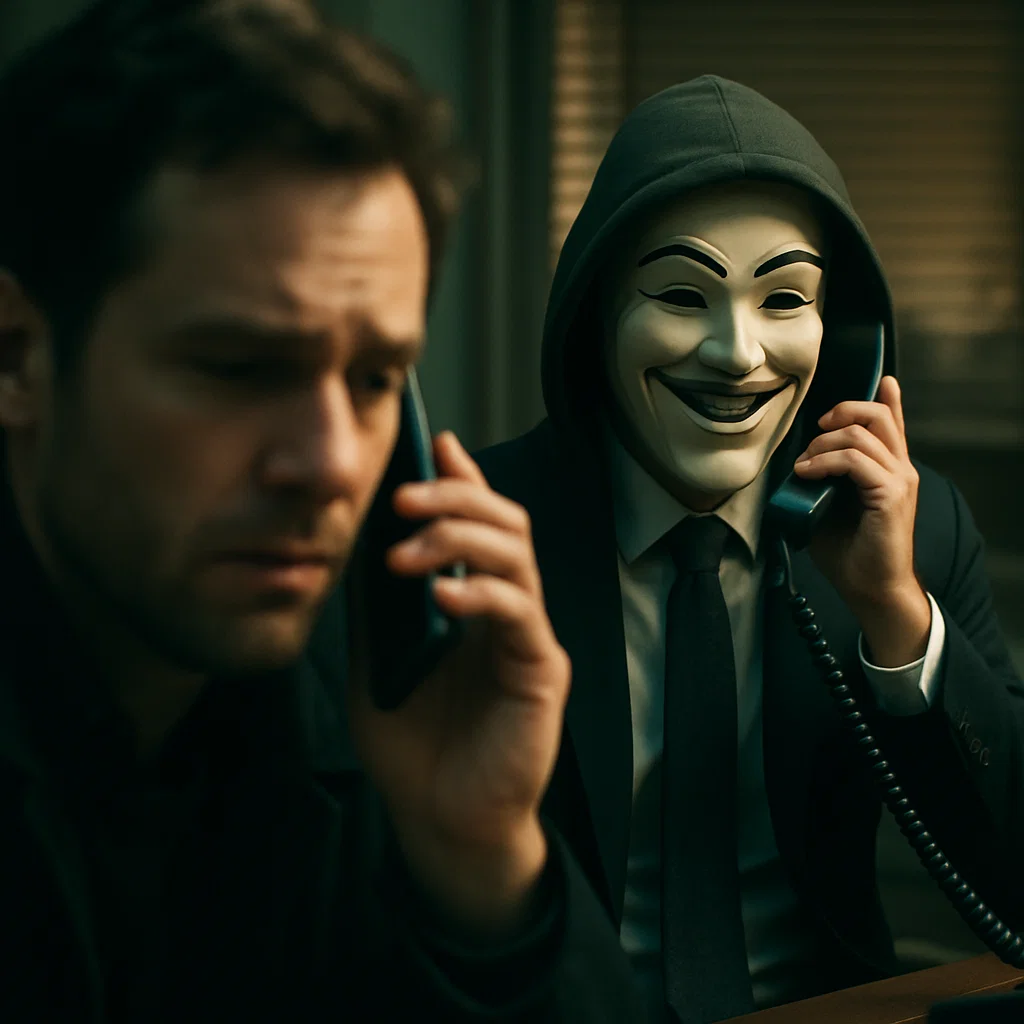
As a banking law attorney, Maitre Le Bot acts on behalf of banking fraud victims to obtain the reimbursement of misappropriated funds and defend your interests against financial institutions. Whether it involves bank card fraud, fraudulent wire transfers, unauthorised direct debits or fake bank advisers, we support you at every stage — from building your case through to contentious proceedings if necessary.
We implement a personalised strategy, combining legal expertise and a proactive approach, to maximise your chances of obtaining a favourable outcome and protecting your financial rights. This page details our services, the steps to take after a fraud, and the reasons why engaging a lawyer is essential for your legal and financial security.
Why engage a banking law attorney?
Your rights in the event of banking fraud
- The law requires banks to reimburse unauthorised transactions, except in cases of gross negligence by the customer (Monetary and Financial Code).
- Obtaining this reimbursement can be complex: each case is unique and requires in-depth expertise in banking obligations.
- Our firm has solid experience and proven judicial results in this technical and constantly evolving area of law.
What our firm does
✔ Comprehensive analysis of your case
✔ Audit of evidence and communications with the bank
✔ Challenging refusals to reimburse
✔ Amicable negotiation with the banking institution
✔ Representation before the courts if necessary
How does the support process work?
- Free initial consultation — Assessment of your situation
- Full audit — Gathering of evidence
- Negotiation or mediation — Discussion with the bank
- Legal action — If an amicable agreement is not possible
FAQ — Banking fraud: questions victims ask
Banking fraud: rights and reimbursement
Must my bank reimburse me in the event of banking fraud?
Yes. In principle, the bank is obliged to immediately reimburse unauthorised transactions, unless it proves gross negligence on the part of the customer. This rule is set out in the Monetary and Financial Code.
What constitutes gross negligence according to the bank?
Gross negligence is often invoked by banks, but it is strictly interpreted by the courts.
Clicking on a fraudulent link, responding to a fake adviser or being a victim of phishing does not automatically constitute gross negligence.
Can the bank refuse reimbursement after a fraud?
Yes, but only if it provides proof that the customer committed a serious fault.
In many cases, these refusals are legally challengeable, especially when no serious technical evidence is provided.
What is the time limit for reporting banking fraud?
You must report the fraud as soon as you become aware of it, and no later than within 13 months for unauthorised transactions.
Prompt reporting significantly strengthens your chances of reimbursement.
Bank card and fraudulent payments
What should you do in the event of bank card fraud?
Block the card immediately
Dispute the transactions with the bank
Consult a banking law attorney to defend your rights
File a complaint
Am I liable for a fraudulent bank card payment?
No, except in rare cases. The customer’s liability is in principle limited, and often non-existent if the card was used without strong authentication.
Can the bank refuse reimbursement if I disclosed my security codes?
Not automatically.
Case law recognises that social engineering and sophisticated scams can deceive a normally vigilant customer.
Fraudulent wire transfers
Can a fraudulent wire transfer be recovered?
Yes, in many cases.
The bank may be held liable if:
- the security systems were inadequate
- the transfer was abnormal in nature
- the customer was the victim of a credible scam
Is the bank liable for a transfer validated by the customer?
Not systematically.
Even if the customer validated the transaction, the bank may be at fault if it failed to detect a manifest anomaly or breached its duty of vigilance.
How long do I have to dispute a fraudulent wire transfer?
As soon as possible and in any event within 13 months. Note that even when the report was made within 13 months, it may be considered late.
A lawyer can intervene even after an initial refusal by the bank, provided the legal time limit has not been exceeded.
Phishing, fake bank advisers, scams
Am I liable if I was the victim of a fake bank adviser?
No, not automatically.
Courts increasingly recognise that these frauds are extremely sophisticated and can deceive cautious customers.
Is phishing considered to be the customer’s fault?
No.
Clicking on a fraudulent link or responding to a phishing email is not sufficient to establish gross negligence, according to numerous court decisions.
What should you do if the bank refuses by invoking phishing?
It is strongly advisable to consult a banking law attorney.
Many refusals are legally weak and can be overturned.
Lawyer and proceedings
Why engage a lawyer for banking fraud?
A lawyer:
- analyses the bank’s actual liability
- challenges wrongful refusals
- relies on recent case law
- maximises the chances of full reimbursement
When should you contact a lawyer after banking fraud?
As soon as the bank refuses your claim, or even beforehand, to avoid procedural errors and strengthen the case from the outset.
Is it possible to obtain reimbursement without going to court?
Yes.
Many cases are resolved through negotiation or formal demand, especially when a lawyer is involved.
What documents should you provide to a lawyer in the event of banking fraud?
bank statements
correspondence with the bank
police complaint
evidence of the fraud (emails, text messages, calls, screenshots)